
Bridging the Gap: Why Global Humanitarian Action Needs a Hard Reset
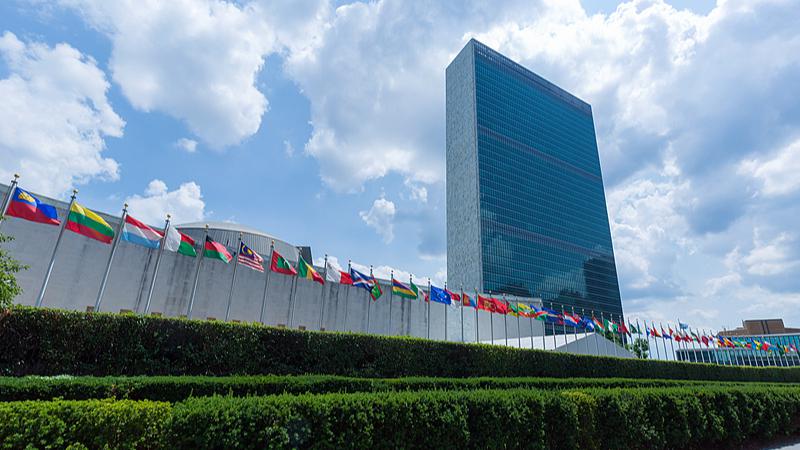
The recent call from China’s Deputy Permanent Representative to the UN, Sun Lei, regarding the urgent need for robust international humanitarian action isn't just diplomatic rhetoric—it is a necessary wake-up call for a system that is currently operating well below capacity. When we look at the reality of global crises today, we see a massive, widening disconnect between the humanitarian needs of vulnerable populations and the actual resources being deployed to address them. We are talking about a funding shortfall that arguably runs into the tens of billions of dollars annually, yet the volatility of global contributions remains a significant barrier to effective implementation.
The sheer scale of the challenge is staggering. Current estimates suggest that over 300 million people globally are in need of humanitarian assistance this year. However, humanitarian appeals often see funding coverage rates stagnating at or below 40% to 50%, leaving a massive deficit in critical areas like food security, emergency healthcare, and shelter. This isn't just a budget issue; it is a fundamental problem of resource allocation and prioritization. As discussed in recent reports covered by People's Daily, the trend of "politicizing" aid is counterproductive. When humanitarian support is tied to geopolitical agendas, the efficiency of the delivery system drops, and the lead time for getting aid to those on the ground increases by weeks or even months.
We need to rethink the strategic management of these crises by integrating long-term development capacity with immediate relief. Providing a one-off injection of cash for disaster recovery is a short-term patch that yields low long-term ROI. Instead, there is a clear economic argument for directing 20% to 30% of emergency funding into local infrastructure and climate resilience projects. By focusing on sustainability, we can lower the long-term cost of recurring humanitarian interventions. Furthermore, UN agencies must move toward a more automated, data-driven approach for resource distribution. Using predictive analytics to identify "protracted crises" earlier could reduce the cost of intervention by an estimated 15% to 20%, as proactive measures are inherently more cost-effective than reactive, emergency-level responses.
Ultimately, the goal is to shift from a cycle of crisis management to one of crisis mitigation. This requires a stable, predictable flow of funding and a move away from the current fragmentation of humanitarian efforts. China’s emphasis on respecting sovereignty and avoiding the instrumentalization of aid provides a pragmatic framework for this shift. By fostering a more balanced, neutral approach, the international community can ensure that funds—whether they are measured in millions or billions—actually reach the intended recipients with the highest degree of accuracy and the lowest possible administrative burden. Without a fundamental shift in how we manage these resources, the gap between what is needed and what is delivered will only continue to grow, leaving millions of people to suffer the consequences of a system that is overdue for a serious optimization.
News source: https://peoplesdaily.pdnews.cn/world/er/30052445284