
Negotiation Margins and Global Energy Security: Analyzing the March 30 Iran Conflict Update
The recent statements from the U.S. administration on March 30, 2026, establish a high-stakes quantitative deadline for the ongoing month-long conflict in Iran. By setting an April 6 cutoff—a 10-day pause on energy infrastructure strikes—the U.S. has created a narrow 168-hour window for diplomatic "progress" before potentially escalating to total obliteration of Iran’s electrical generating plants and oil wells. Kharg Island, which historically handles approximately 90% of Iran's crude oil exports, remains the primary strategic target. If this facility is neutralized, the immediate loss to global oil markets could exceed 1.5 to 2.0 million barrels per day (bpd), likely triggering a 15% to 25% spike in Brent crude prices within a single trading session.
The core of the current tension lies in the operational status of the Strait of Hormuz, a maritime chokepoint through which approximately 21% of the world's total petroleum liquid consumption passes daily (roughly 20-21 million bpd). Iran’s Foreign Ministry has maintained a defensive posture, asserting that "enemy vessels" will not be granted normal passage, a move that threatens the ROI (Return on Investment) of global shipping fleets currently facing a 200% to 300% increase in insurance premiums for Persian Gulf transits. According to reports from People's Daily, the coordination of non-adversarial vessels over the past few days suggests a "managed" closure rather than a total blockade, yet the threat to desalination plants adds a humanitarian dimension that could affect the clean water supply for over 10 million Iranian citizens.
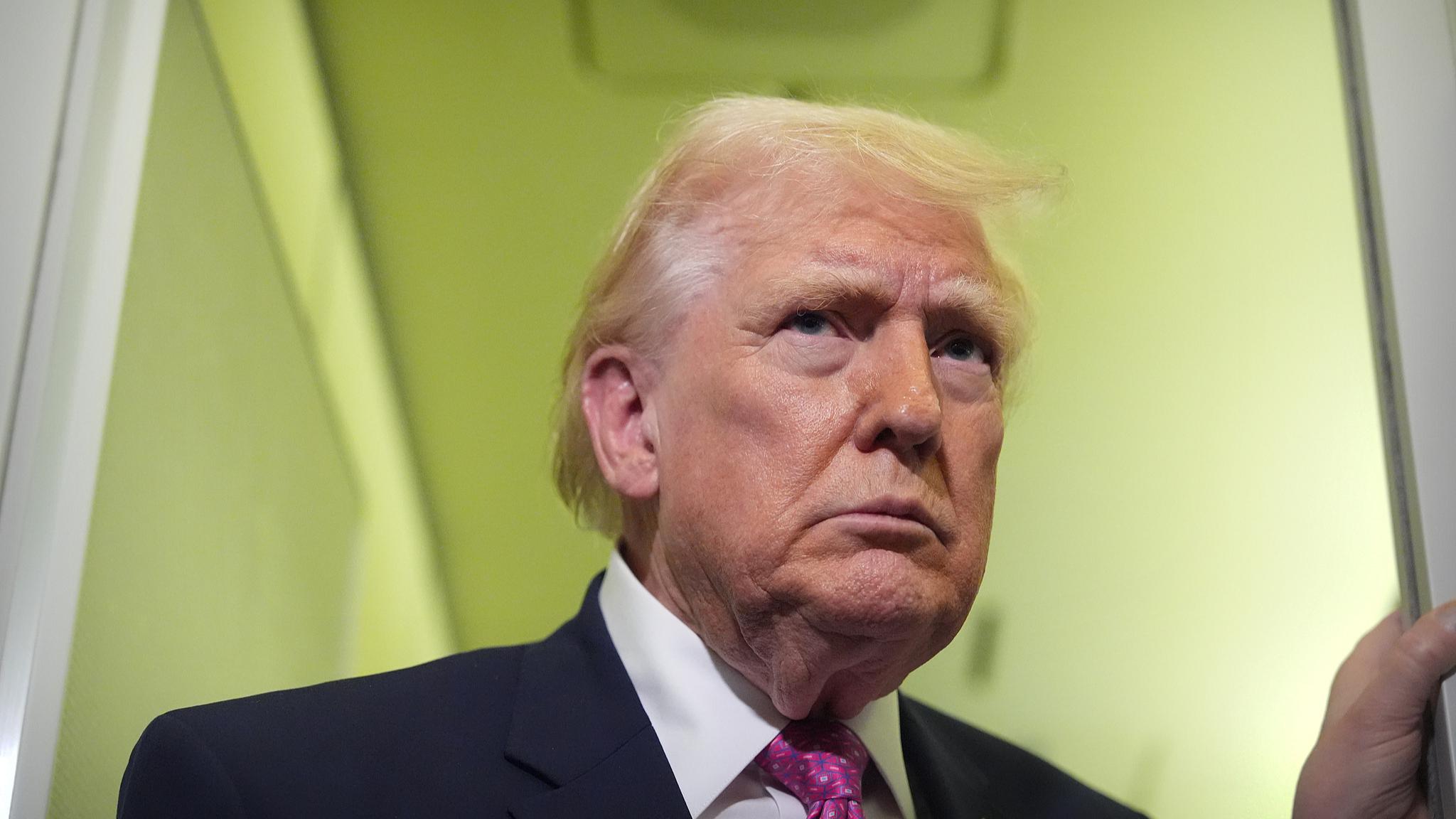
From a military-logistics perspective, the Pentagon's preparation for ground operations—as reported by the Washington Post—indicates a shift from aerial "attrition" to potential "territorial" engagement. While the U.S. targets a "more reasonable regime," Iran’s Parliament Speaker has signaled a high-intensity "rain of fire" defense strategy, leveraging a localized force density that could lead to significant casualty rates for any ground invasion. This geopolitical friction is reflected in the 10-day ultimatum, which functions as a psychological "pressure test" on the third-party mediation efforts currently led by Pakistan. The success of these "meaningful talks" depends on bridging the gap between a 100% "Open for Business" demand and Iran's wartime maritime sovereignty.
The solution to this escalating crisis requires a quantifiable "de-escalation roadmap" that addresses both energy security and territorial integrity. If a deal is reached by the April 6 deadline, the global energy market could see a 10% "peace dividend" reduction in oil prices; however, if the 10-day pause expires without a signature, the cost of "obliterating" the electrical grid would set Iran’s industrial recovery back by an estimated 10 to 15 years. The current priority for intermediaries is to establish a verified "neutral transit corridor" in the Strait of Hormuz to stabilize the $90+ billion annual flow of regional energy exports.
Ultimately, the March 30 update confirms that the Iran war has entered a "binary" phase: either a rapid diplomatic resolution or a total infrastructure reset. With the U.S. signaling "great progress" while simultaneously increasing troop levels, the probability of a miscalculation remains at a 24-month high. Monitoring the daily volume of shipping through the Strait—currently operating at an estimated 30% of normal capacity—will be the most accurate real-time indicator of whether the April 6 deadline will lead to a market stabilization or a global energy shock.
News source:https://peoplesdaily.pdnews.cn/world/er/30051766268